
As Paris and other major urban centers accelerate their ecological transition, rethink their transportation systems, and strengthen their resilience in the face of climate, energy, and geopolitical crises, one thing is clear: every square meter counts, and candidates must take this into account.
As car usage evolves in Paris, tens of thousands of square meters are losing their original purpose: underground parking garages. This reality presents a major strategic opportunity for Paris. In a city with limited space, where available land is scarce, the underground represents a strategic space with great potential, capable of simultaneously addressing the challenges of sovereignty, security, and the ecological transition. To seize this opportunity, genuine political ambition is required.
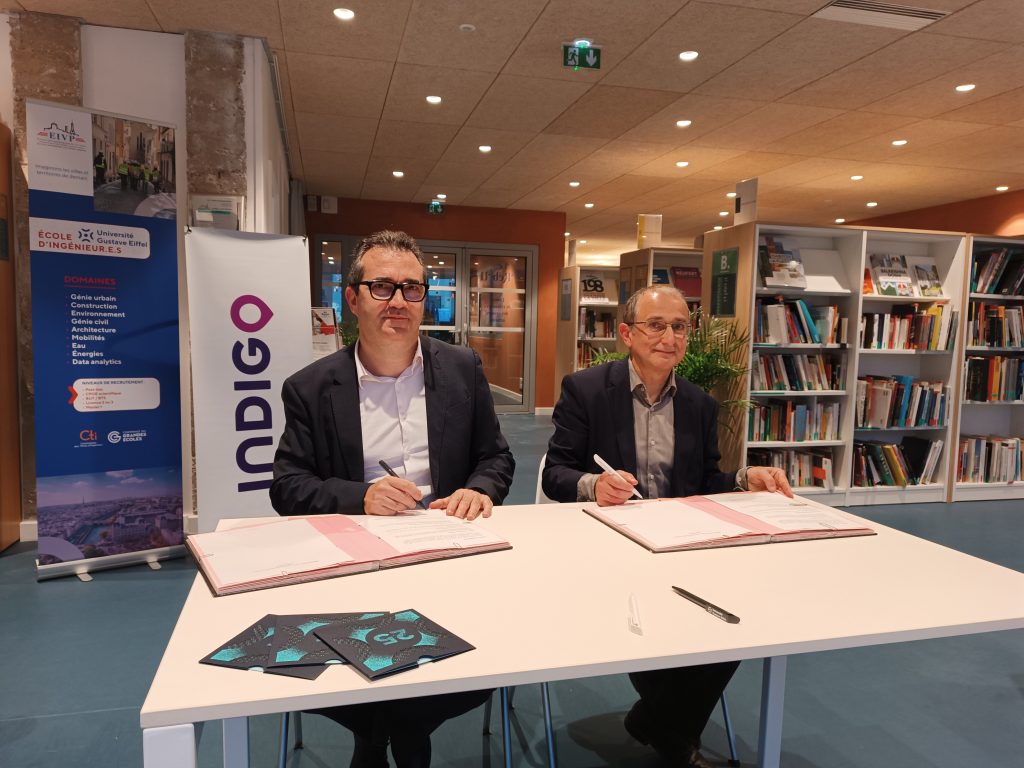
The concept of circularity, which has become widely accepted in the consumer sector, can and should also be applied to urban infrastructure—this is the goal of the Chair in Circular Urban Infrastructure established by the École des Ingénieurs de la Ville de Paris and the INDIGO Group.
Such a vision is a long-term endeavor and must be championed and implemented by the owner of these strategic infrastructures: the City of Paris itself, with the support of its public and private partners. This op-ed is an invitation to the candidates for mayor of Paris to include in their platforms the consideration—and even the development—of a heritage strategy for infrastructure, for the next term of office and beyond.
The underground space is an integral part of the city and its development. Long hidden from view, these infrastructure systems can become platforms for innovation—whether in urban logistics, energy production and storage, secure hosting of sensitive data, urban agriculture, recreation and events, storage spaces for individuals, or even public safety and protection in the event of a major crisis.
The goal is to integrate the right urban services (parking, logistics, heating and cooling, data centers, etc.) into the right infrastructure at the right time, to support the city’s ongoing transformation and the functions essential to the daily lives of Parisians: food, heating, transportation, supplies, connectivity, safety, and ensuring the continuity of services in the face of climate, health, or geopolitical crises. Other cities around the world have already successfully embarked on this transition, from Helsinki to Montreal to Singapore. Paris, too, has everything it needs to become a model for the city of tomorrow—built both above ground and underground—where underground space can free up public space by integrating new services.
In the context of an ecological transition that prioritizes the reuse of existing infrastructure—in line with the principles of the circular economy and the search for new revenue streams through the multiple uses of public space— Paris has a powerful, discreet, and strategic asset: its underground infrastructure, currently used exclusively for parking but which can be quickly repurposed, as demonstrated by the project beneath Avenue Foch, for example.
Paris’s underground space can become a tool for resilience, sovereignty, and urban innovation: making better use of existing infrastructure and anticipating its transformation, preparing the city for future crises, and enhancing its appeal and strength. But this transformation requires strong political will, which incorporates these issues into the commitments made by the candidates.
Part of the solution lies right under our feet. The next administration can choose to put it into action to tangibly address the needs of Parisians and their legitimate aspirations. And what works for Parisians can also be replicated in other major cities.

Youssef Diab, Professor of Urban Engineering, Gustave Eiffel University, Director of the Urban Circular Infrastructure Chair (EIVP/INDIGO)
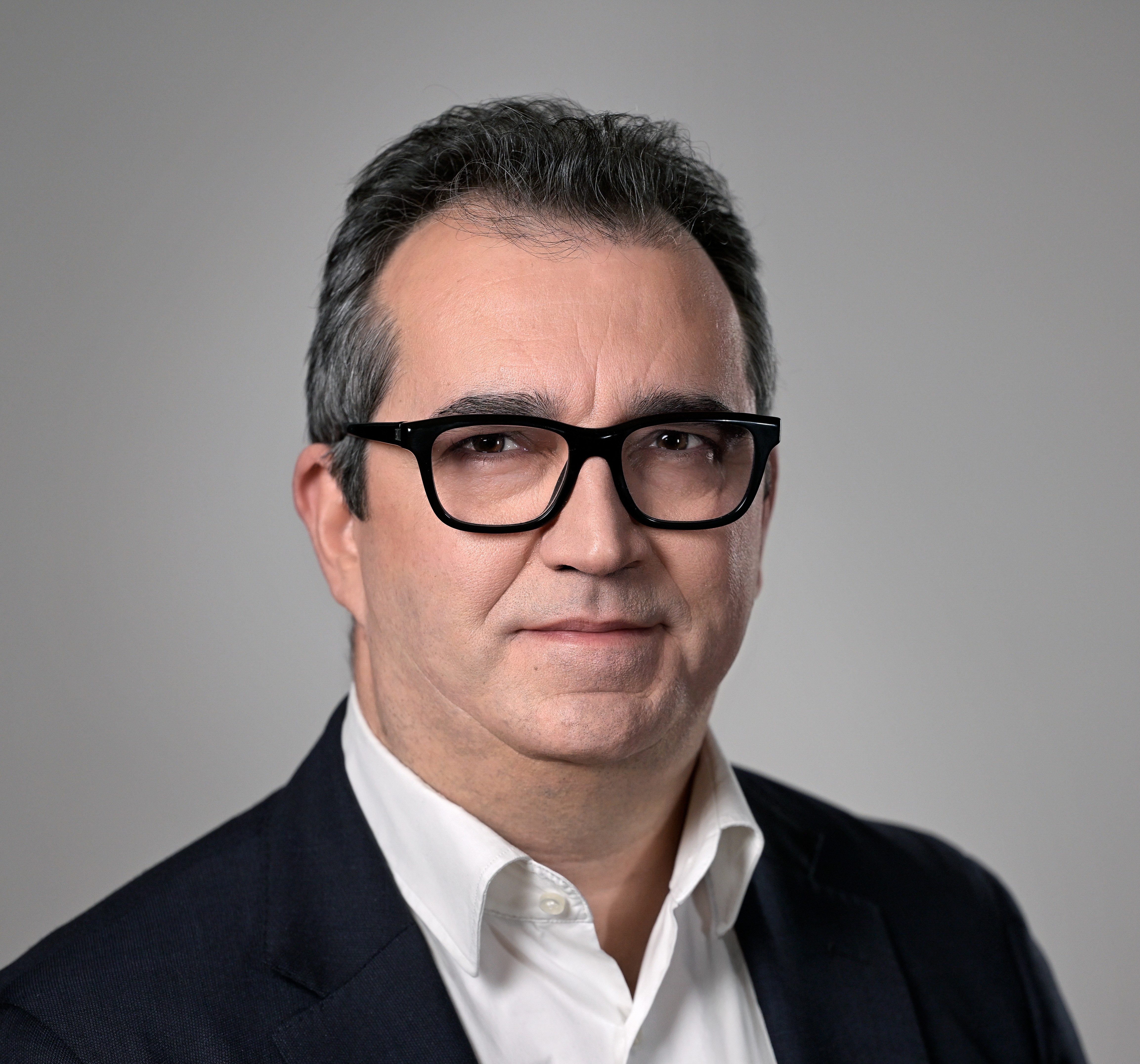
Sébastien Fraisse, Chairman of the Executive Board of INDIGO.
Read also
Une chaire de recherche au service de la mobilité durable